
Hard Water Wears Down Equipment Quietly
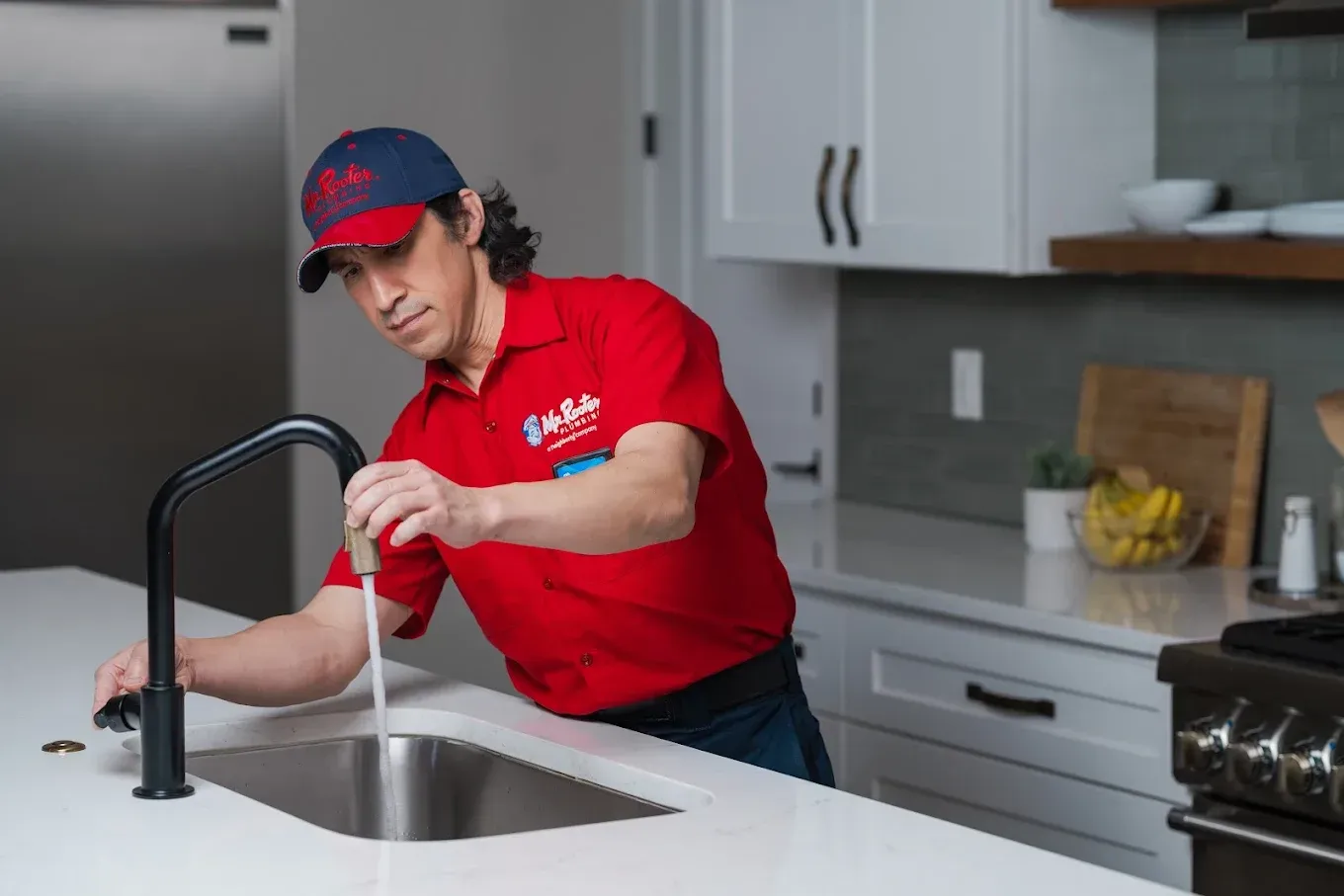
Commercial Water Filters and Softeners in Holland for businesses managing mineral scaling, sediment, or water quality concerns affecting equipment and daily operations
Scale deposits on commercial equipment do not announce themselves—they accumulate gradually inside water heaters, dishwashers, ice machines, and boiler systems until performance degrades or equipment requires early replacement. Mr. Rooter Plumbing of Holland addresses water filtration and softening for commercial properties where untreated water affects equipment lifespan, water-using appliances, or the quality of water delivered to employees, customers, or processes. Holland-area water, whether sourced from municipal supply or private wells serving outlying commercial properties, can carry mineral content and hardness levels that accelerate scaling and reduce the useful life of water-connected equipment over time.
Commercial water treatment involves matching the right filtration or softening approach to what a property's water actually contains and how that water is used on-site. A food-service operation has different treatment priorities than a professional office or light-manufacturing facility. Filtration addresses sediment, chlorine, and other particulates that affect taste or equipment function, while softening targets the calcium and magnesium ions responsible for scale. The two are sometimes installed together when a property's water presents both clarity and hardness concerns simultaneously.
Request a water quality evaluation to identify what treatment approach fits your commercial property's specific needs.
How Treatment Equipment Protects Commercial Systems
Water softening works by exchanging calcium and magnesium ions in the water supply for sodium ions, reducing the mineral load that deposits inside pipes, fixtures, and equipment over time. Filtration systems pull particulates, sediment, and dissolved compounds through media designed to intercept specific contaminants before water reaches appliances or point-of-use fixtures. The sizing and configuration of commercial treatment equipment depends on water volume, peak demand periods, and the specific issues present in the incoming water supply.
After appropriate treatment equipment is installed and operating correctly, commercial kitchens see reduced limescale buildup inside dishwashers and beverage equipment, water heaters maintain consistent output without scaling losses, and ice machines produce cleaner ice without mineral film on surfaces. Fixtures and faucets stop accumulating the white mineral deposits that signal untreated hard water moving through the system regularly.
Ongoing performance depends on proper sizing at installation and regular maintenance of filter media and softener resin. Undersized systems regenerate too frequently and may not adequately treat peak demand flow. Mr. Rooter Plumbing of Holland evaluates daily usage volume and peak demand before recommending equipment, since a system that cannot keep pace with actual use will not deliver consistent results.
What Business Owners Ask About Water Treatment
Water quality questions vary by business type, and the right answers depend on what a commercial property's water supply actually contains and how it is used on-site.
What signs suggest a commercial property may need water treatment?
Visible limescale on fixtures and equipment, cloudy ice production, shortened appliance lifespans, or a noticeable taste or odor in delivered water are common indicators worth investigating.
How does hard water affect commercial kitchen equipment specifically?
Scale accumulates inside heating elements and water passages in dishwashers and coffee systems, increasing energy use and leading to earlier equipment failure than properly treated water would cause.
What is the practical difference between filtration and softening for a commercial application?
Filtration removes particulates and dissolved compounds; softening targets calcium and magnesium hardness—some properties require both, depending on what their water contains.
Why does Holland-area water sometimes require treatment even when sourced from municipal supply?
Municipal water meets safety standards but is not optimized for equipment protection—mineral content within acceptable health ranges can still cause scaling that affects commercial appliances over time.
How often does commercial water treatment equipment need servicing?
Filter media replacement and softener resin regeneration schedules depend on water volume and incoming water quality, making initial sizing and periodic condition checks important for consistent performance.
Mr. Rooter Plumbing of Holland can evaluate your commercial property's water and recommend treatment equipment suited to your building's demand and use patterns—schedule a consultation to discuss what your water supply may require.