Gas Piping Evaluated Before Problems Develop
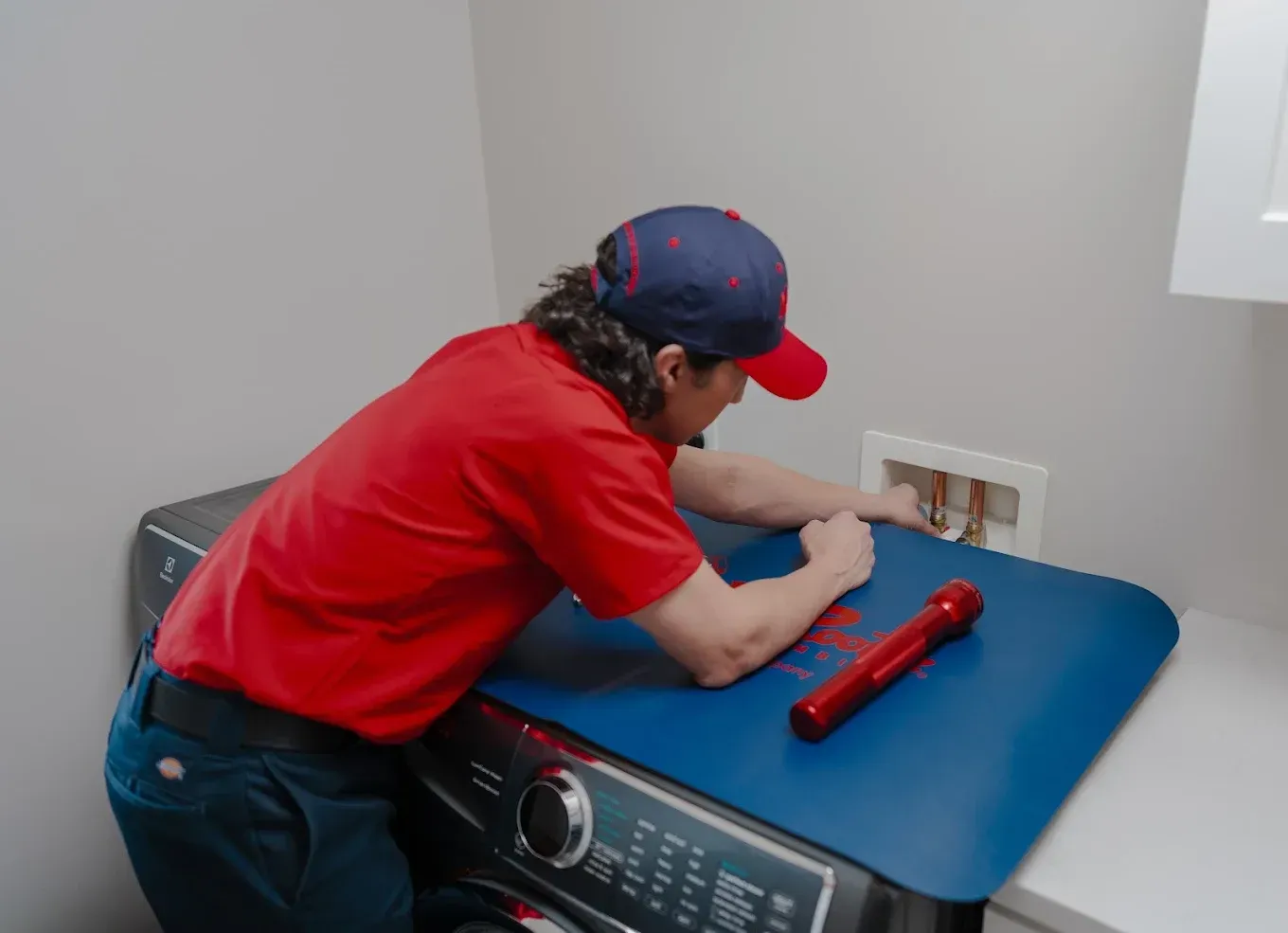
Gas Line Services in Holland for homes requiring professional assessment during renovations, repairs, or property improvements involving gas systems
Gas-connected homes throughout Holland rely on buried supply lines, interior piping, and secure connections to deliver natural gas or propane to furnaces, water heaters, ranges, and other appliances. When renovations involve moving appliances, updating equipment, or opening walls near gas piping, professional evaluation confirms the existing system remains intact and properly supported. Mr. Rooter Plumbing of Holland provides gas line service for residential properties where gas piping requires attention, modification, or assessment to maintain safe operation during property updates.
Gas line service involves inspecting piping for corrosion or damage, evaluating connections where modifications are planned, and addressing situations where gas odors, hissing sounds, or visible pipe deterioration raise concerns about system integrity. The work connects to kitchen remodels that relocate gas ranges, basement finishing projects near gas water heaters, and equipment upgrades requiring new connections or capacity adjustments.
Arrange professional gas line service to confirm gas piping integrity and address concerns during property improvements or when evaluating system condition.
What Proper Gas Piping Requires
Gas piping operates under pressure and must maintain secure connections, proper slope for condensate drainage in some configurations, and correct sizing to supply adequate fuel volume to connected appliances. Older homes may contain iron pipe showing surface rust, joints where threading has deteriorated over decades, or sections where settling foundations have stressed connections. Newer construction typically uses corrugated stainless steel tubing, which flexes slightly but still requires proper support and protection from physical damage.
After gas line work is completed, you notice equipment that operates without fluctuation, connections that show no signs of leakage during testing, and piping properly secured and routed to avoid contact with other building systems. The work addresses immediate concerns and positions the gas system to support current and planned appliance loads without compromising safety or delivery capacity.
Gas line service also includes situations where buried supply lines require location before excavation, where appliance installations demand capacity verification, or where property transfers prompt professional inspection of existing gas systems. Each scenario involves different evaluation criteria and different approaches to confirming safe, dependable gas delivery.
Answers to Frequent Service Questions
Homeowners planning property improvements or experiencing gas system concerns typically ask these questions.
What signs indicate a gas line needs professional attention?
A sulfur-like odor near gas appliances or piping, hissing sounds from connections, visible corrosion on exposed pipe sections, or appliances that burn with yellow flames instead of blue all suggest problems requiring immediate evaluation. Gas systems should operate without detectable odor or sound at connection points.
How is gas piping capacity determined for new appliances?
Capacity depends on pipe diameter, total run length, number of fittings, and the combined fuel demand of all connected appliances. Adding a high-demand appliance to an existing system sometimes requires upsizing sections of piping to maintain adequate pressure and volume.
When does gas piping need modification during a renovation?
Any project that relocates gas appliances, removes walls containing gas lines, or adds new equipment to an existing system typically requires professional evaluation to confirm the piping can support the change safely. Moving a gas range across a kitchen, for example, often means extending or rerouting the supply line.
Why do some homes in Holland have iron gas pipe while others use flexible tubing?
Installation practices and code requirements have evolved over decades. Homes built before the 1990s typically contain black iron pipe with threaded connections, while newer construction often uses corrugated stainless steel tubing that installs faster and accommodates building movement better.
What happens during a gas line inspection?
Inspection involves visually examining exposed piping for corrosion or damage, testing connections for leaks using approved detection methods, verifying proper support and protection of pipe runs, and confirming the system delivers adequate pressure to connected appliances under normal operating conditions.
Mr. Rooter Plumbing of Holland evaluates gas piping for residential properties across the Holland area, providing professional assessment when gas systems require attention during renovations or when concerns about system integrity arise. Schedule gas line service to have piping concerns professionally evaluated before proceeding with property improvements.